Conference overview
How do families operate
What do they struggle with
What makes them resilient
Many professionals build their work around an individual client and their evident needs. It is critical that this approach recognizes that any given child is situated in the context of some kind of family story. They may have siblings or live with grandparents. They may have one dedicated caregiver with minimal resources and support or a host of caregivers with multiple perspectives. They may live in complex communities with diverse strengths and needs. They may think, play, communicate, and develop in ways that mirror, or do not mirror, their broader family environment. These factors create significant impacts on children and their development and therapeutic frameworks must take them into account. In DIR we know that families are sustained through care, connection, and the relationships that help children and caregivers grow together. The conference offers a series of exciting sessions grounded in the recognition that relationships are not simply one influence among many, but the core condition through which families thrive. Over two days, participants will join leaders, practitioners, and caregivers to reflect on their work with families and to deepen their appreciation of how care and connection shape development.
-
Day one centers on families as sources of emotional safety, belonging, and meaning, and explores how experiences of being loved, valued, and understood create cascading developmental effects for children and caregivers alike. Perspectives from parents, advocates, clinicians, and researchers will invite participants to reflect on how relational presence, responsiveness, and trust are cultivated in everyday interactions with families.
- Day two emphasizes applied, relationship-based practices, with a focus on building and sustaining therapeutic alliances with families. Participants will explore practical approaches that support emotionally rich, connected family environments, illustrated through case vignettes that highlight the transformative power of relationships in clinical and community contexts.
Through interactive sessions and reflective dialogue, the conference supports professionals and community members in strengthening the relational foundations that allow children and families to flourish.
- Explain the importance of connection, safety, and attuned relationships in family wellbeing.
- Apply practical tools to support families and their needs through therapeutic assessment and intervention.
Who should attend?
Professionals in Speech and Language, Occupational and Physical Therapies, Education, Mental Health (Psychology, Social Work, Counseling, Marriage and Family Therapy), Medicine, Play Therapy, Creative Arts, Parents and Caregivers.
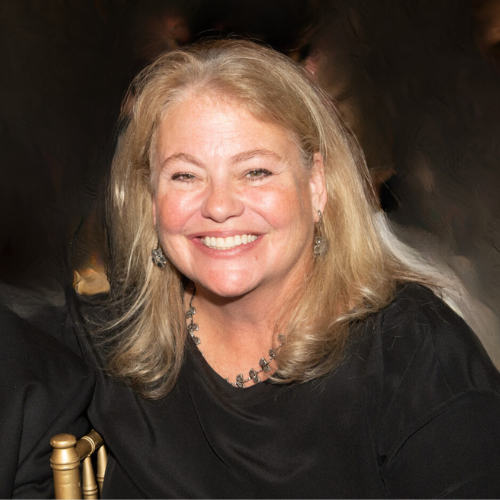
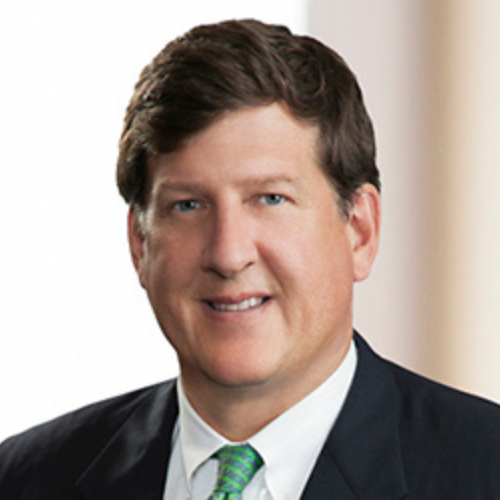
Geoffrey H. Bracken & Shelley Bracken
Honorary Conference Co-Chairs

Registration information
Registration Fee Schedule: Your registration includes 2 conference days, access to recordings for 45 days post conference (April 22, 2026) and CEs if applicable.
Early Bird (until Feb 1st) $195
Standard (after Feb 1st) $295
Community Supported $125
Pay it Forward $325
Parents and Students (no CEs) $95
Recordings: Recordings will be available for 45 days post conference (April 22, 2026) with a conference registration.
Continuing Education: Visit the the CEs section for details regarding available continuing education credits. Live online attendance of all sessions is mandatory for CE credits. Learners must attend the entire scheduled day to be eligible for credits. No partial credits available.
Conference Cancellation Policy: Cancellations more than 10 working days (Mon-Fri) before the start date of this program will result in a refund less a $25.00 cancellation fee. No refund can be given for a cancellation 10 or fewer working days (Mon-Fri) before this program start date. [February 20, 2026] Requests for refunds must be received in writing via email to conferences@profectum.org. In the event that this program is cancelled, you will be notified immediately via email and a credit will be issued toward a rescheduled program, or the entire submitted fee will be refunded without further liability on the part of the organizer.
Schedule
FRIDAY March 6, 2026
11:00 - 11:30 AM EST
Welcome: Lisa Reilly, Executive Director
Conference Opening and Introduction: Serena Wieder, PhD; Ruby Salazar, LCSW, BCD
11:30 - 1:00 PM EST
Enhancing Caring Connections and Independence Over the Lifetime
William M. Singletary, MD
1:00 - 1:15 PM EST | Break
1:15 - 2:15 PM EST
Raising Neurodivergent Kids: Rethinking “Normal,” Reclaiming Roles, and Redesigning Family Life
Debbie Reber, MA
2:15 - 3:00 PM EST | Lunch
3:00 - 5:00 PM EST
Living the Process: Family Perspectives on the Power of Relationships
Tyler P. Choate, MS, CCC-SLP, IECMH-E® with Rebecca Berg, OTR/L, IMH-E®; Jeannie Gutierrez, PhD; Ricki Robinson, MD, MPH
5:00 - 5:05 PM EST | Closing
SUNDAY March 8, 2025
11:00 - 11:15 AM EST
11:15 - 12:45 PM EST
Working with Children Using a Family Systems-Socio-Cultural Framework
Martha E. Edwards, PhD
Panel in Response: Moderator: Sima Gerber, PhD, CCC-SLP; Panelists: Martha E. Edwards, PhD; Griff Doyle, PhD; Beth Osten, PhD, OTR/L
12:45 - 12:50 PM EST | Break
12:50 - 1:50 PM EST
Creating Healthy Families-Therapists and Parents Partnering Together
Diane Selinger, PhD
1:50 - 2:35 PM EST | Lunch
2:35 - 3:35 PM EST | Concurrent Breakout Sessions
1) Nurturing Relationships with Families to Support Development Across Contexts
Gilbert Foley, EdD, IMH-E®; Yana Peleg, PhD; Ruby Salazar, LCSW, BCD
3) Supporting Infants, Toddlers and Their Families through DIR: It’s all About the Relationship
Barb Baldassare, OTR/L; Caroline Ferguson-Walsh, MS-LP(C), CCC-SLP
3:35 - 3:50 PM EST | Break
3:50 - 4:50 PM EST | Concurrent Breakout Sessions
4) Family Networks: From Individual to Group Intervention in a Community ProgramNora D'Angiola, PhD, CCC-SLP; Maria Mercedes Gimenez, Psychologist
5) Integrating Families as Essential Partners in School CommunitiesLinda Cervenka, MA, CCC-SLP; Elisa Chrem, MS, CCC-SLP, MEd; Michele Ricamato, MA, CCC-SLP
6) Establishing the Professional as a Secure Base: A Long Term Case Study
Steve Glazier, MA
4:50 - 4:55 PM EST | Break
4:55 - 5:55 PM EST
The History and Future of DIR: Lessons Learned from Families
5:55 - 6:00 PM EST | Closing
Program descriptions
Enhancing Caring Connections and Independence Over the Lifetime
William M. Singletary, MD
Panel Discussion:
Moderator: Ruby Salazar, LCSW, BCD;
Panelists: Tal Baz, MS, OTR/L; Gilbert Foley, EdD, IMH-E®; Sima Gerber, PhD, CCC-SLP
Sensitive caregiving in early life leads to the development of a loving attachment. This caring connection provides a sense of safety and well-being in the presence of the caregiver. This developmental achievement sets the stage for caring relationships and optimal development of independence over the lifespan. While dependence and independence are often seen as polar opposites, in actuality, warm connections foster independence which, in turn, promotes caring connections. Supporting this paradoxical developmental process contributes to the development of well-being over the lifespan.
As a result of this presentation, participants will be able to:
- Summarize the developmental process involving caring connections and independence.
- Recognize both growth-promoting and growth-disturbing reactions to feelings of separateness, loss, sadness and vulnerability.
Raising Neurodivergent Kids: Rethinking “Normal,” Reclaiming Roles, and Redesigning Family Life
Debbie Reber, MA
Families raising neurodivergent kids often find themselves wondering, “Is it supposed to feel like this?” The reality is that raising differently wired children comes with dynamics, rhythms, and challenges that simply aren’t reflected in conventional parenting narratives.
Drawing from a decade of interviewing experts, supporting parents, and living this journey herself, Debbie explores how family life shifts when a child’s needs are complex — how roles blur, emotional load increases, and parents often lose a sense of who they are outside the caregiving identity. She offers a compassionate roadmap for helping families clarify roles, reclaim personal agency, and design daily rhythms that support regulation, connection, and long-term well-being.
As a result of this presentation, participants will be able to:
- Identify common patterns and role dynamics within neurodivergent family systems, including emotional intensity, role blending, and the unique pressures that shape daily family life.
- Apply relationship-building and communication strategies to strengthen co-parent alignment, support sibling dynamics, and help families articulate a cohesive family identity.
Living the Process: Family Perspectives on the Power of Relationships
Tyler P. Choate, MS, CCC-SLP, IECMH-E® with Rebecca Berg, OTR/L, IMH-E®; Jeannie Gutierrez, PhD; Ricki Robinson, MD, MPH
In this interactive workshop, families are invited to speak directly about what has shaped their experience of care. This session centers families’ voices and lived experiences as essential sources of knowledge in relationship-based practice.
Through a curated selection of guided interviews, participants will hear from families reflecting on their experiences within developmental, relationship-centered interventions. Families with a range of backgrounds, needs, and experiences will speak to what shifted over time, what supported growth, what fostered safety and trust, and how being held within a relational process affected not only the identified child, but the family system as a whole. These stories illuminate the subtle process in which the power of relationships is manifest in growth, healing, and development.
Following a set of brief recorded interviews, participants will engage in small-group dialogue using a reflective guide designed to support meaning-making, integration, and resonance with their own clinical, educational, or caregiving roles. Attention will be given to relational presence, tangible relational tools, and the ways families experience being partners in treatment without hierarchical boundaries between professionals and patients.
The session concludes with a panel response from interdisciplinary clinicians who will reflect on the family narratives and synthesize themes from across day one of the conference. Panelists will explore how family perspectives deepen and challenge professional assumptions, and how relationship-centered work unfolds across contexts, disciplines, and roles.
Together, this session offers space to slow down, listen carefully, and reflect on how relationships shape development in the context of family systems.
As a result of this presentation, participants will be able to:
- Integrate family and caregiver perspectives into clinical thinking that guides assessment, intervention, and goal making.
- Describe the impact of relationship-based interventions, trust, and connection on family wellbeing.
SUNDAY March 8, 2026
Working with Children Using a Family Systems-Socio-Cultural Framework
Martha E. Edwards, PhD
Panel Discussion
Moderator: Sima Gerber, PhD, CCC-SLP;
Panelists: Martha E. Edwards, PhD; Griff Doyle, PhD; Beth Osten, PhD, OTR/L
Donald Winnicott famously said, “There is no such thing as a baby… there is a baby and someone.” And that someone is not just one person. That someone is a caregiving system that is embedded in nuclear and extended families who are, themselves embedded in a socio-cultural context. In working with children clinically, it is essential to consider how their neurobiology might shape their behavior and understand their experience – what they think, feel, need, intend. And it is equally essential to identify the impact of the family system on the child – including each parent’s interaction with the child, the parents’ relationship, the sibling relationships, and relationships with extended family. And it is also essential to recognize how the family’s socio-cultural context provides support and/or causes stress to the family and its members.
As a result of this presentation, participants will be able to:
- Identify the following parenting processes in a family’s life: (a) developing the emotional relationship; (b) promoting exploration; and (c) guiding towards interdependence.
- Apply at least three family play therapy activities with families.
- Develop a relational hypothesis that helps explain a family’s dynamics and guides the interventions to resolve the presenting problem.
Creating Healthy Families-Therapists and Parents Partnering Together
Diane Selinger, PhD
This presentation will focus on the collaboration between therapists and caregivers in relationship-based, developmental therapy. DIR has a long history of actively involving caregivers in therapy sessions and resisting trends that exclude and sideline them from the process. With a therapist as partner, caregivers can be agents of their children's growth—and the wellbeing of their whole family. Participants will develop a consideration of the whole family when providing effective support to children and caregivers. There will also be a special emphasis on siblings, who have a unique experience within the family.
This session will apply core components of the DIR framework to our working model for supporting families and caregivers. The Functional Emotional Developmental Levels (FEDLs), a cornerstone of DIR, will serve as an anchor. We will use this critical component of the model to think about supporting caregivers in regulating, engaging, interacting, playing, communicating, problem solving and thinking with their children. Another emphasis will be on framing the interaction between a child’s and a caregiver’s individual differences as they arise in sessions or as part of everyday life. By growing an awareness of their own profile and experience, caregivers are better equipped to help a child climb the developmental ladder. Thus, this presentation will discuss therapist-parent collaboration at both the family level and in micro, moment to moment interactions that occur between child, parent, and therapist.
As a result of this presentation, participants will be able to:
- Explain the individual differences of parent/caregiver, and explain why this is important.
- List two strategies on how to partner with parents/caregivers to work at the different Functional Emotional Developmental Levels.
CONCURRENT BREAKOUT SESSIONS
1) Nurturing Relationships with Families to Support Development Across Contexts
Jennifer Hein, OTR/L; Mary Ann O'Connell, PhD, CCC-SLP
Families from diverse backgrounds seek services from non-mental health professionals, such as Speech-Language Pathologists and Occupational Therapists, for issues related to their respective domains (e.g., articulation and handwriting), but often also involve complex relational work that includes the foundational pillar of regulation. This session will highlight pragmatic strategies that families and non-mental health clinicians can use to support regulation and foundational FEDCs to support growth along the developmental ladder. A conversation between two DIR clinicians will ground this session as they share reflective insights from case-based narratives and vignettes to highlight the spectrum of lessons gleaned from cases involving complex relational work.
As a result of this presentation, participants will be able to:
- Identify 2 signals that indicate regulation may be an underlying capacity in need of support with a pediatric client and their family.
- Discuss 2 reasons why family involvement with cases that require complex relational work is critical.
- Identify 2 ways a clinician can involve families to support bi-directional exploration between the family and the clinician(s) of development through a DIR lens.
2) Families Across the Lifespan: How Relationships Shape Development, Resilience, and Neurodiversity
Gilbert Foley, EdD, IMH-E®; Yana Peleg, PhD; Ruby Salazar, LCSW, BCD
In this integrative, clinically grounded session, Dr. Gilbert Foley, Dr. Yana Peleg, and Ruby Salazar, LCSW, BCD, explore the family as the foundational developmental ecosystem from infancy through adulthood with a biopsychosocial approach. Tracing both typical and neurodivergent pathways, the presenters will use rich case vignettes to illuminate how caregiver capacities, relational patterns, ecological stressors, and moments of connection shape growth in each period across the lifespan. Participants will gain a nuanced perspective of how families evolve, adapt, and sustain resilience—and how practitioners can effectively support these systems as they navigate positive and negative forces, celebrate progress, and nurture developmental wellbeing at every lifespan stage.
As a result of this presentation, participants will be able to:
- Identify positive outcomes and confounds at each stage of the Eriksonian life cycle.
- Identify the role of attuned, contingent responsiveness of caregivers to support children' s growing sense of self from infancy into adulthood.
3) Supporting Infants, Toddlers and Their Families through DIR: It’s all About the Relationship
Barb Baldassare, OTR/L; Caroline Ferguson-Walsh, MS-LP(C), CCC-SLP
In the United States, the national Early Childhood Technical Assistance Center (ECTA) provides guidance based on best practice to individual states as they develop and implement programs serving children age birth to three. These best practices, outlined in seven key principles, align beautifully with the tenets of the DIR Model and can provide a framework to organize our thinking in home- based work with infants, toddlers and their families. In our hour together, we’ll describe the tenets of Early Intervention and the DIR model by sharing the experience of several families who sought help in nurturing a child who was experiencing developmental challenges. We’ll look at the way interventionists guided them through initial evaluations, information sharing and goal setting. We’ll look at the role of the team with families who sought out medical diagnoses and interventions. We’ll also look at the unique benefits and challenges that are an integral part of home-based work. We will follow one child and his mom through a year-long case study as their capacities grow together in the context of their relationship.
As a result of this presentation, participants will be able to:
- Identify best practices in developmental therapeutic work with children birth to three.
- Describe the importance of the relationship in coaching parents in their homes.
- Employ strategies to build an effective team, keeping the family at the center.
CONCURRENT BREAKOUT SESSIONS
4) Family Networks: From Individual to Group Intervention in a Community Program
Nora D'Angiola, PhD, CCC-SLP; Maria Mercedes Gimenez, Psychologist
Casa de Familia is an organization based in Rosario, Santa Fe, Argentina that supports children with Autism and their families. Families lead the treatment at Casa de Familia because of our deep appreciation for relationships. Our services are embedded into everyday life experiences because we know that real life does not unfold in the treatment room. This includes going to school, family lunches, vacations, and summer camps.
This breakout session will show the process of a paradigm shift from intervening with people with developmental challenges to supporting the families surrounding those people. We will highlight the journey we make from one-to-one intervention in the office to group interventions in natural environments. We will also show how the DIR model was able to reach families with socioeconomic difficulties through support and management networks between Casa De Familia and the municipal government of each town/city.
- List 2 DIRFloortime strategies that can be implemented with families remotely.
- Describe how the DIR model can be adapted to different cultures and sociocultural environments.
5) Integrating Families as Essential Partners in School Communities
Linda Cervenka, MA, CCC-SLP; Elisa Chrem, MS, CCC-SLP, MA Ed; Michele Ricamato, MA, CCC-SLP
This session explores the critical relationship between families and the educators and therapists who support their children within school environments. As families navigate decisions about appropriate educational placement, collaboration becomes vital—yet finding time to gain insights from one another, exchange ideas, celebrate successes, and consider a family’s unique needs can be challenging. Together we will reflect on essential questions: What is most important to this family? Are we aligning our goals with theirs, or unintentionally creating goals in isolation of the family system?
Through the lens of the family’s journey—including their decision to choose a DIR-based school—we will examine how meaningful partnerships are built, nurtured, and sustained. Participants will gain insight into how trust, open dialogue, and shared problem-solving provide the foundation for navigating complex school days and sometimes difficult conversations. This session aims to gain greater insight, strengthen family-school collaboration, and highlight why true partnership is indispensable for supporting children with special needs.
As a result of this presentation, participants will be able to:
- Identify the critical elements involved in building meaningful connections with caregivers.
- Reflect on and articulate personal therapeutic goals and evaluate how they align with family priorities.
- Explain the role of autonomy and self-determination in supporting individuals with developmental disabilities.
6) Establishing the Professional as a Secure Base: A Long Term Case Study
Steve Glazier, MA
DIR providers have broadened the concept of “secure base” to describe an optimal stance for professionals to take with families. Ideally, caregivers provide consistent, supportive containers in which children grow and develop. These secure base relationships provide children with an internalized sense of safety that allows their exploration of the world and, still, they are at the ready when that world is confusing, isolating, and disconnected. Regardless of discipline, professionals can make use of these same relational principles. They can serve as consistent partners whom the family comes to rely upon over time and return to when they need validation, meaning, and support. By compassionately tending to the global needs of the family, professionals can create a space where emotional support co-exists with practical guidance and planning.
In this presentation, psychologist, Steven Glazier, will highlight the secure base professional through the lens of a long-term case study. It is a compelling story that unfolds over the course of 13+ years of intensive work with a single mother who immigrated to the USA and her autistic son. Video of the caregiver-child interactions will be presented in addition to reflections from the mother and clinician.
As a result of this presentation, participants will be able to:
- Summarize the concept of professionals as secure bases for families.
- Apply three strategies to partner with caregivers in long-term cases.
The History and Future of DIR: Lessons Learned from Families
Serena Wieder, PhD with Ruby Salazar, LCSW, BCD
The DIR Model emerged from a deep commitment to comprehending and supporting each child’s and family’s unique developmental path. DIR provided a revolutionary framework that shifted the focus from symptom reduction and isolated skills to the holistic promotion of emotional, social, and cognitive development, redefining development, identifying the role of individual differences and the power of relationships across the lifespan. Did we need another model of development? Yes. This session will describe the journey we took over forty years to create the DIR Model and a conversation with Ruby Salazar reflecting on lessons learned and needed.
Dr. Wieder and the conference chair, Ruby Salazar, offer a critical perspective on the value of families in our therapeutic frameworks. Together, they will synthesize and integrate key concepts from the conference, and adjust our focus on those concepts through a DIR lens. Participants will witness the kind of reflective thinking that is required to integrate multiple perspectives and drive our work forward.
As a result of this presentation, participants will be able to:
- Describe the origin of the DIR model and how it relates to families.
- Recognize the core concepts of DIR to integrate them into individual and family-based interventions.
Continuing education
The Conference is being submitted to AOTA for Continuing Education review. Additional details will be posted here as they become available.
Continuing Education course requirements:
- Attend the conference day in real time for the full scheduled duration. Credit will only be awarded to learners who attend the entire day; partial credit is not available.
- Complete the post-conference quiz with a score of 80% or higher (per day).
- Complete the continuing education conference evaluation (per day).
- Submit OT learner identification information (once)
If you have any questions or concerns regarding the process for AOTA CE credits, please contact Profectum Foundation 973-531-4376 or email emily.mohr@profectum.org. 267 Main St., Ste 2B, Chester, NJ 07930

Speech Language Therapy
The Conference is being submitted to ASHA for Continuing Education review. Additional details will be posted here as they become available.
For learners that have signed up for continuing education credit for Speech Language Therapy (ASHA), you are required to complete the following course requirements:
- Attend the conference day in real time for the full scheduled duration. Credit will only be awarded to learners who attend the entire day; partial credit is not available.
- Complete the continuing education conference evaluation (per day).
- Submit an ASHA participant form (once)
There are no prerequisites for this Conference.
ASHA Continuing Education credits co-sponsored by Easterseals DuPage & Fox Valley
Psychology, Social Work, Mental Health Counseling and Marriage and Family Therapy
The Conference is being submitted for Continuing Education review. Additional details will be posted here as they become available.
For learners that have signed up for continuing education credit, you are required to complete the following course requirements:
- Attend the conference day in real time for the full scheduled duration. Credit will only be awarded to learners who attend the entire day; partial credit is not available. There are no prerequisites for this Conference.
Continuing Education Credits sponsored by CE-Classes.com
Friday, March 6
William M. Singletary, MD
Debbie Reber, MA
Sunday, March 8

Martha E. Edwards, PhD
Diane Selinger, PhD
Serena Wieder, PhD
Co-creator of the DIR Model
Profectum Co-founder
This conference will be held live online via Zoom.
All times are presented in eastern time. https://dateful.com/time-zone-converter
Recordings will be available post conference 45 days (April 22, 2026.)
Continuing Education: Live online attendance of all sessions is mandatory for CE credits.
Thank you to our sponsors!
Frequently asked questions
This conference is for
Attendance and requirements for completion
For those wanting to earn Continuing Education credits, you must complete the requirements
listed in the CE section.
Payment, withdrawal and refund policy
Cancellations more than 10 working days (Mon-Fri) before the start date of this program will result in a refund less a $25.00 cancellation fee. No refund can be given for a cancellation 10 or fewer working days (Mon-Fri) before this program start date. [February 20, 2026] Requests for refunds must be received in writing via email to conferences@profectum.org.
Cancelation policy
Special accommodation requests
Technology considerations
Thank you to our sponsors
Special thanks to the Conference Committee
Ruby Salazar, LCSW, BCD; Conference Chair
Tyler P. Choate, MS, CCC-SLP; IECMH-E® - Director of Clinical Programs
Elisa Chrem, MS, CCC-SLP, MA Ed
Gilbert Foley, EdD, IMH-E
Sima Gerber, PhD, CCC-SLP
Steve Glazier, MA
Jennifer Hein, OTR/L